Hyundai
Finance.
May 2025 – Jul 2025
Enabling car dealers to do soft credit checks, so they could see indicative affordability early in the conversation, without slowing the showroom down or jumping through tools that weren’t built for that moment.
I led the design and delivery of a dealer-led soft search MVP, from discovery through to pilot launch, to help dealers save time and improve customer conversion on car finance.
Impact
Hyundai Capital UK (HCUK), Santander Consumer UK (SCUK), and the eApply ecosystem.
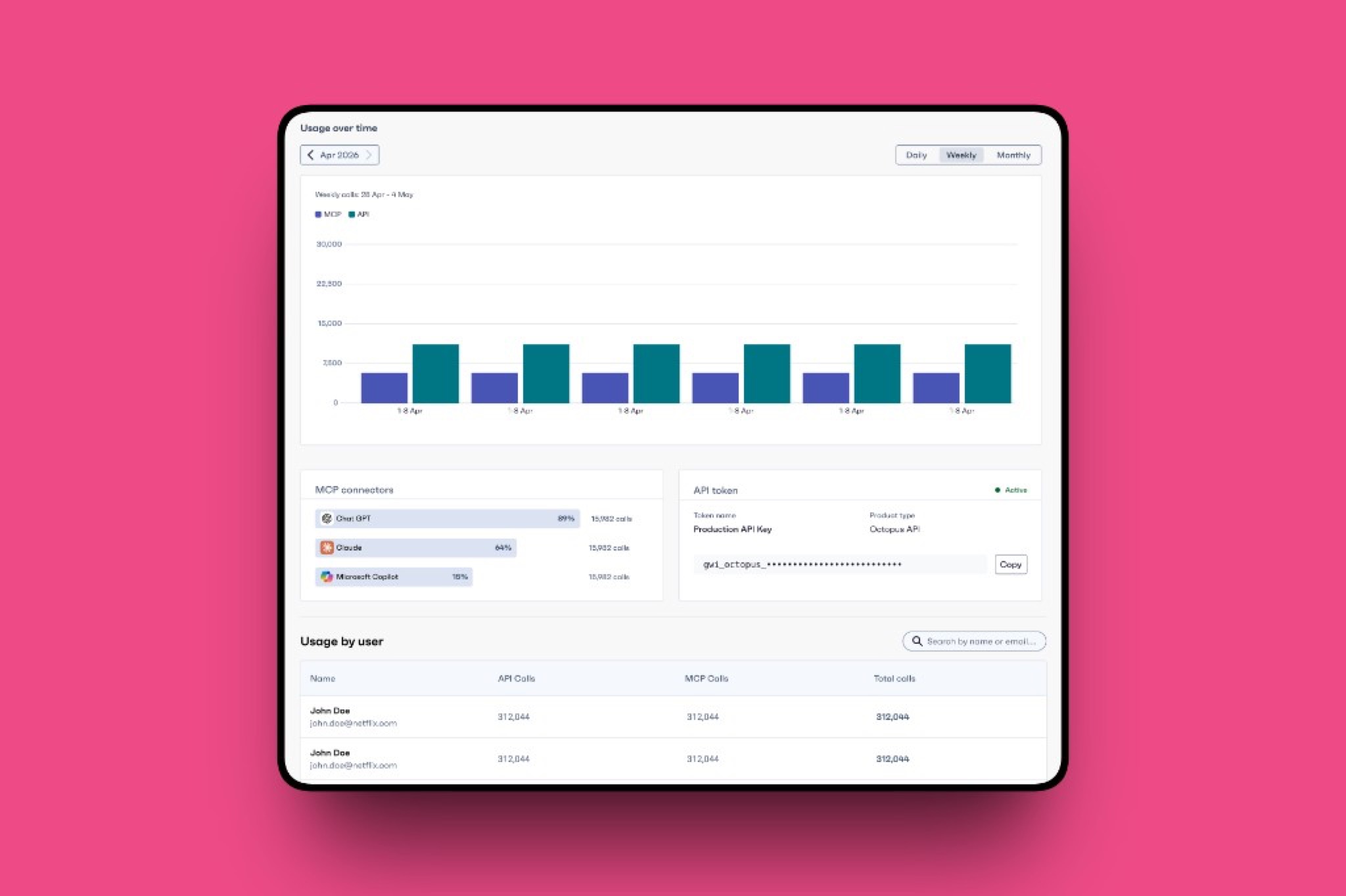
Dealers were spending significant time preparing quotes for customers who were later rejected. At the same time, the system landscape was fragmented: multiple tools and duplicated workflows.
This created:
- Missed sales opportunities due to hesitant customers
- Time lost on applications that wouldn’t convert
- Manual re-entry of data across systems
The challenge was not just designing a feature, but creating a flow that reduced friction while fitting into a complex, multi-system ecosystem.
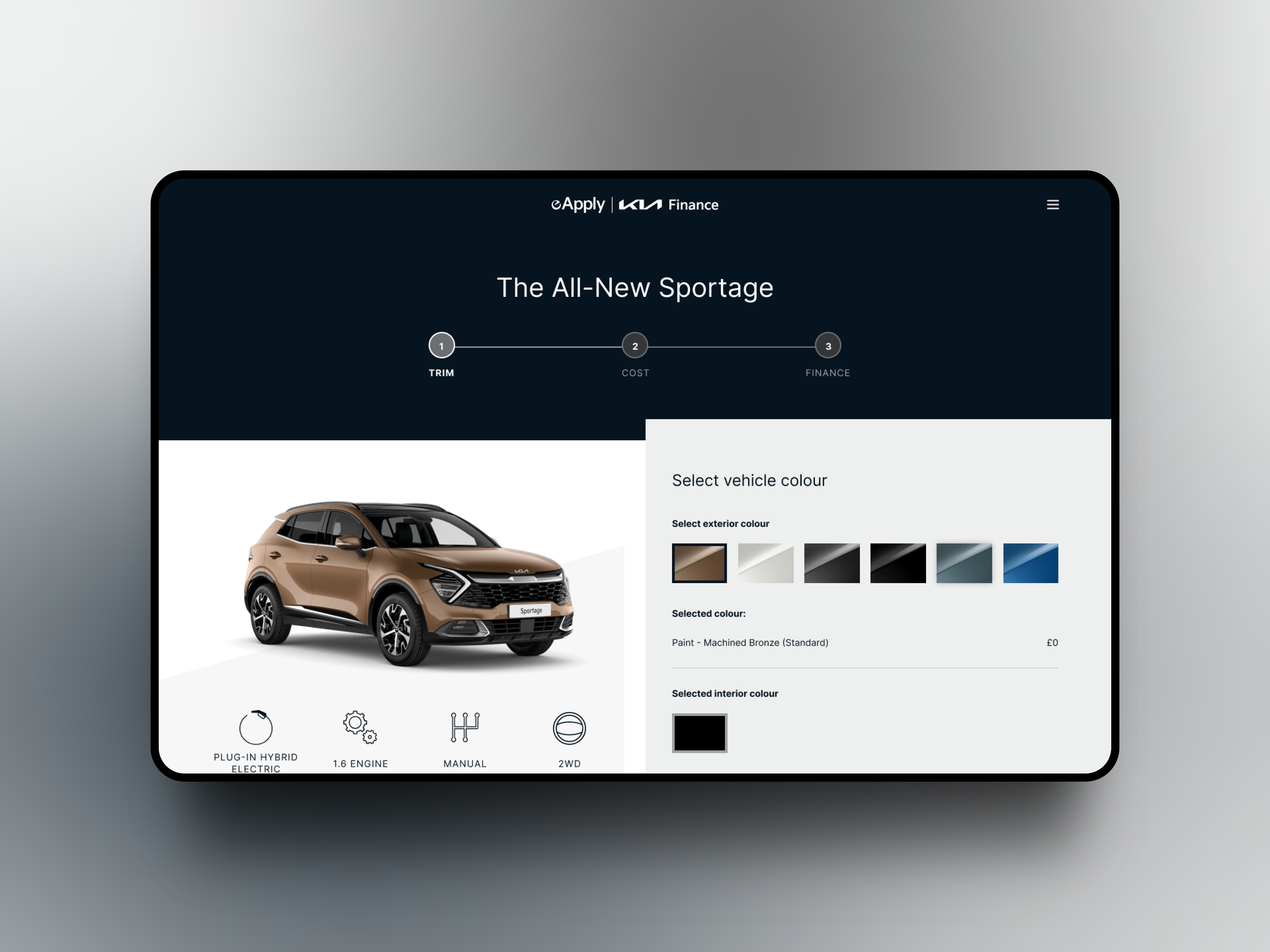
Quotes and applications scattered across disjoint tools instead of one coherent flow.
Put a compliant soft search in dealers’ hands at the right point in the sale, fast enough for the forecourt, clear enough that customers know what’s happening.
Discovery through MVP launch.
The programme moved in stages, each step grounded in what dealers told us, then validated in prototype form before we locked scope for a consistent MVP launch.
Discovery & research
Workshops and conversations with dealers and stakeholders to learn when a soft search should surface, what “good” looks like on screen, and where people dropped off today.
Responsive prototype
End-to-end flows tested on realistic devices, dealers aren’t always at a desk, and clarity on a smaller screen mattered as much as desktop.
MVP launch
A pilot-ready MVP tied to a live rollout plan, narrowing scope to what dealers needed first, then iterating after real usage.
Business objectives.
Stakeholder framing from discovery: what the soft-search work needed to move, before we locked MVP scope.
Increase customer conversion
From quote → to proposal
Improve acceptance rates
For used cars in particular
Provide dealers with clarity
Without deterring proposals
Pain points dealers kept repeating.
Themes from calls and workshops: the friction on the forecourt behind the business case.
-
Showroom hesitation
Customers hesitant to apply for finance, resulting in missed sales opportunities.
-
Negotiation dead-ends
Time wasted “haggling” with customers whose applications were later rejected.
-
Broken hand-offs
Painful double-keying of customer information into multiple systems.
Designing for dealer reality.
I mapped the end-to-end journey, focusing on:
- Minimising manual input (especially for returning customers)
- Supporting both new and existing user paths
- Anticipating edge cases (e.g. incomplete data, uncertain results)
Rather than optimise for a “perfect” flow, I prioritised speed, clarity, and real-world usability in dealership environments.
Scroll to step through the flow

Happy path from dashboard to results. Use the frame above to scroll sideways and vertically for the full flow. Includes address history when occupation is under three years.
When dealers took the wheel.
I tested early concepts with dealers, uncovering key issues.
Those insights pushed the design past binary pass/fail screens toward guided, contextual decision-making, still honest about outcomes, but kinder and clearer to use on the forecourt.
Scroll sideways
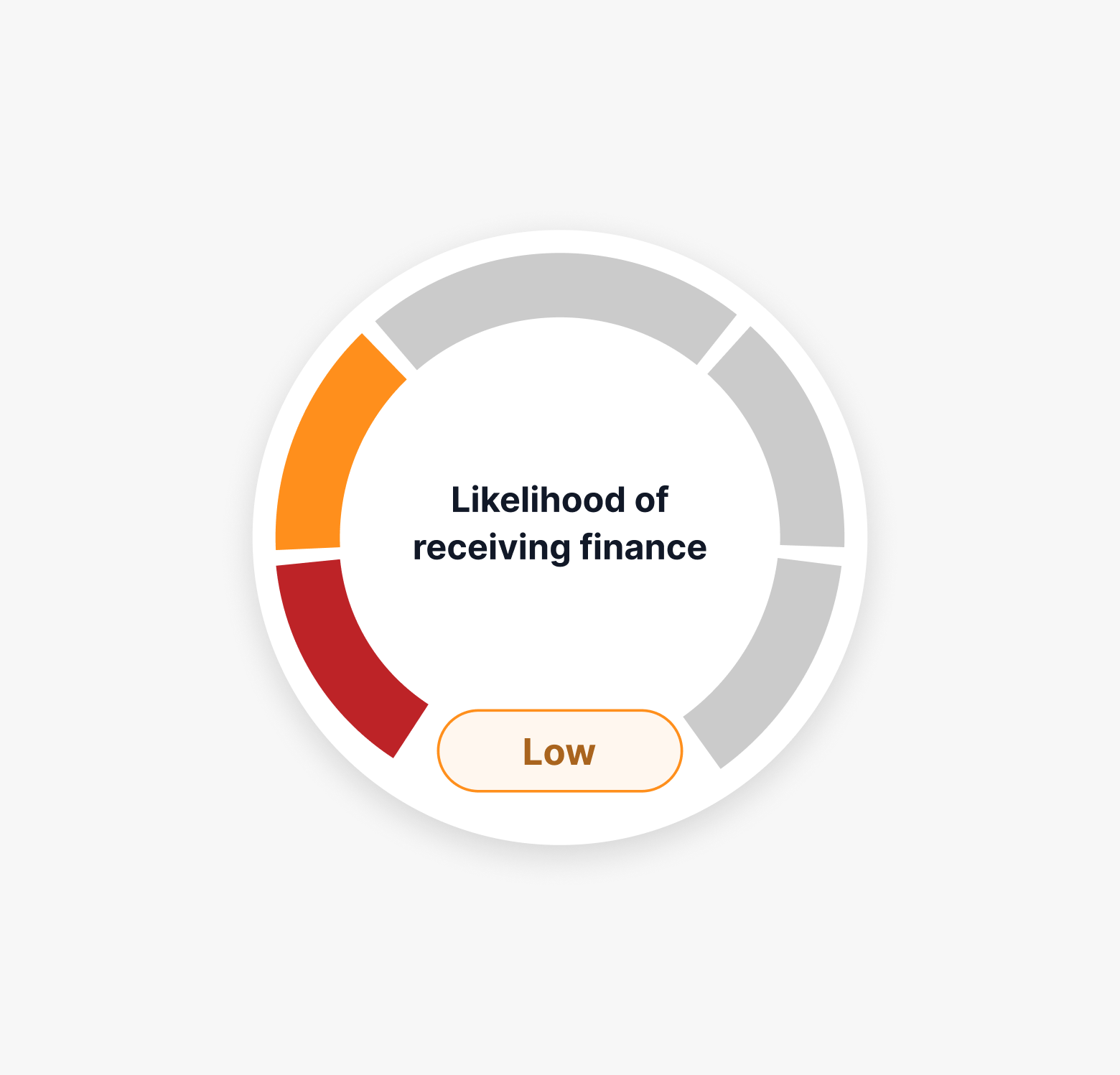
Results too harsh
Strong colours for high scores landed well, but low scores felt brutal. Dealers worried about embarrassing customers in front of them.
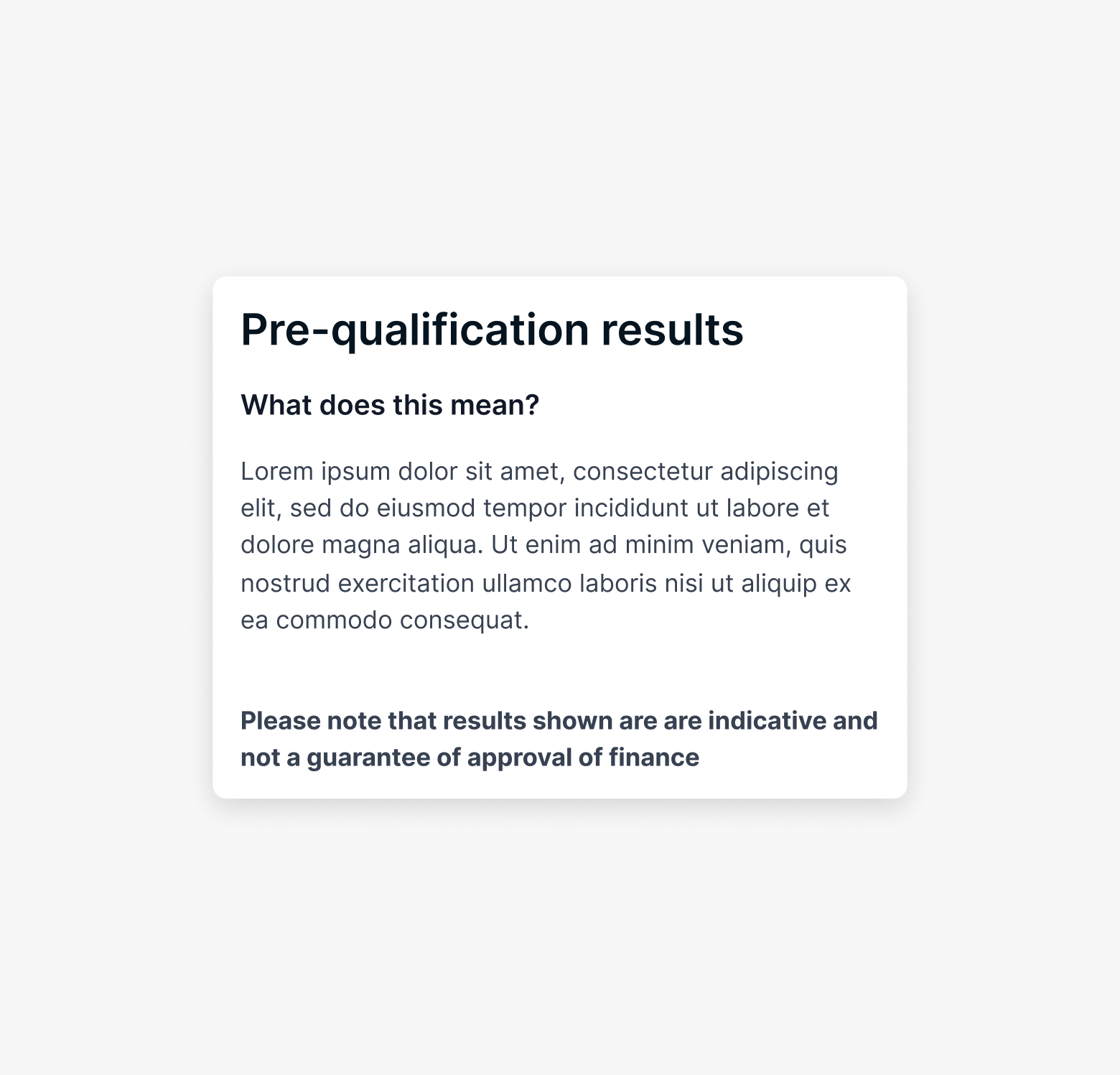
Copy missed
Dealers weren’t clocking that outcomes were indicative; the caveat had to be visible in the scan pattern, not footer-smallprint.
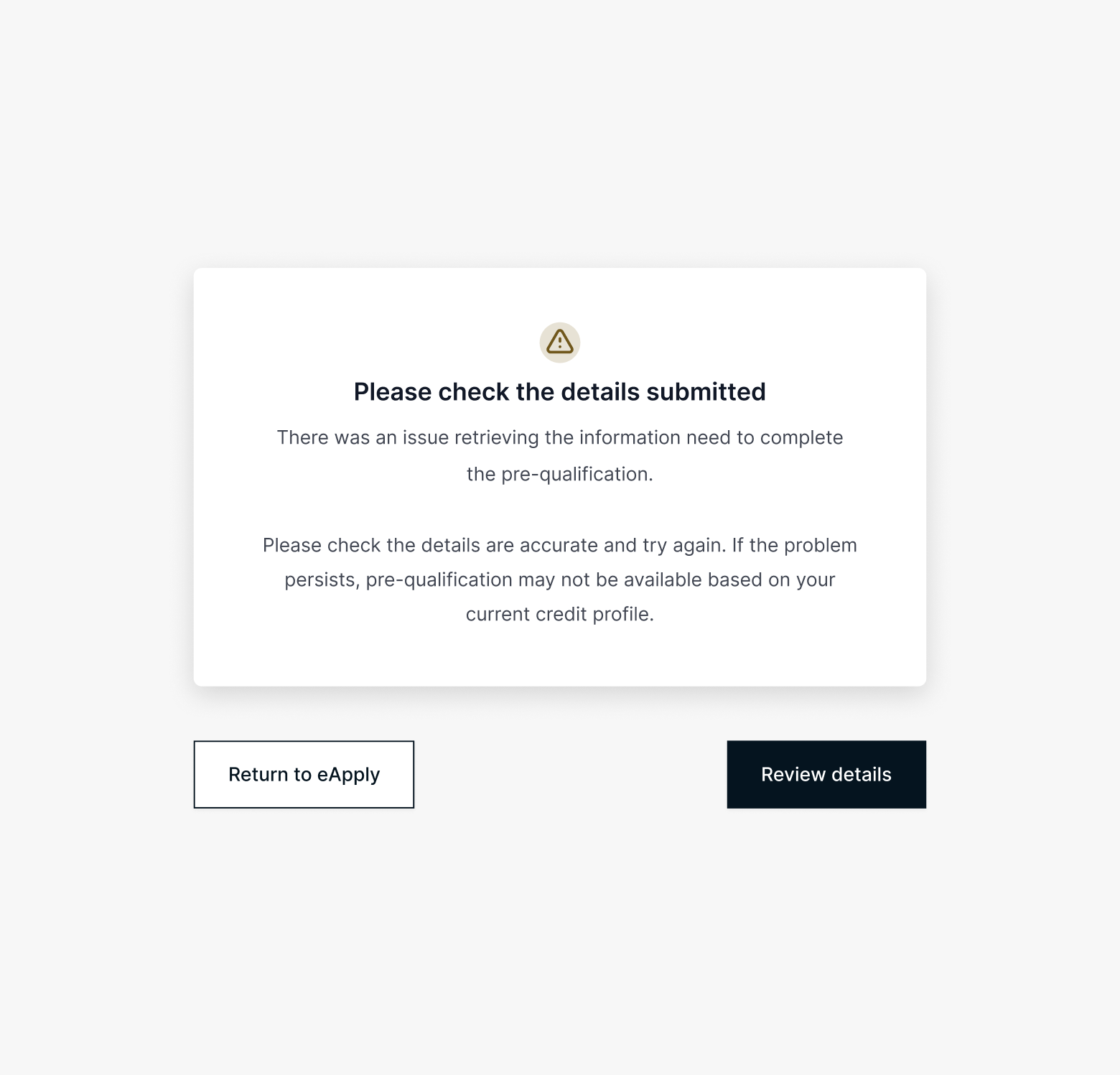
System feedback unclear
When retrieval failed, the message sounded like user error. Dealers weren’t sure whether to retry, fix data, or escalate, and trust dipped.
“We don’t want to embarrass the customer, particularly if we’re presenting this in the showroom. Showing someone a low score could make them walk out and be embarrassed.”
From harsh to gentle results
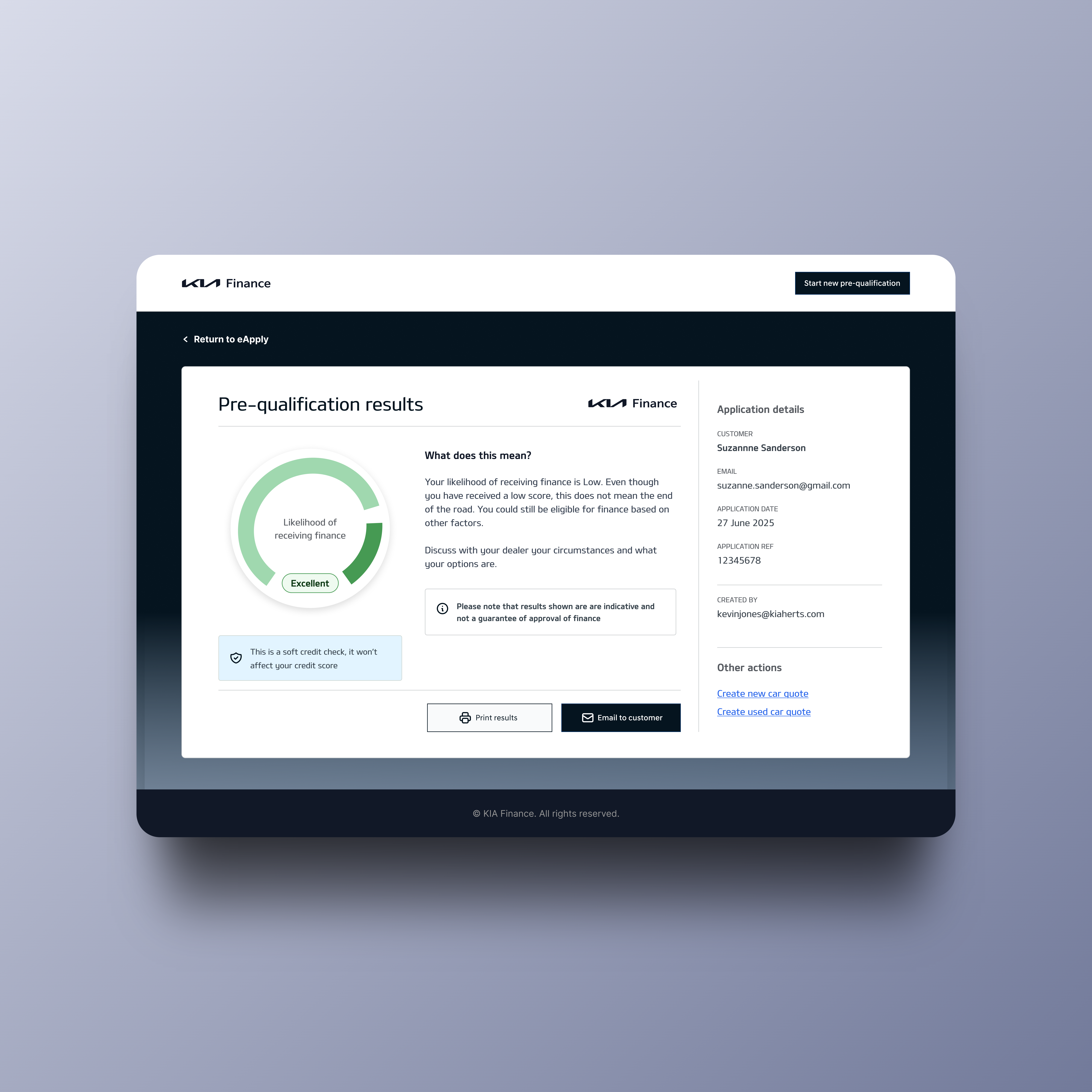
I refined the experience to introduce more neutral, reassuring result states, clarify messaging to highlight indicative outcomes, and give dealers control over what to share with customers.
That improved confidence in using the tool, dealer–customer conversations, and alignment with real-world workflows.
Scroll sideways
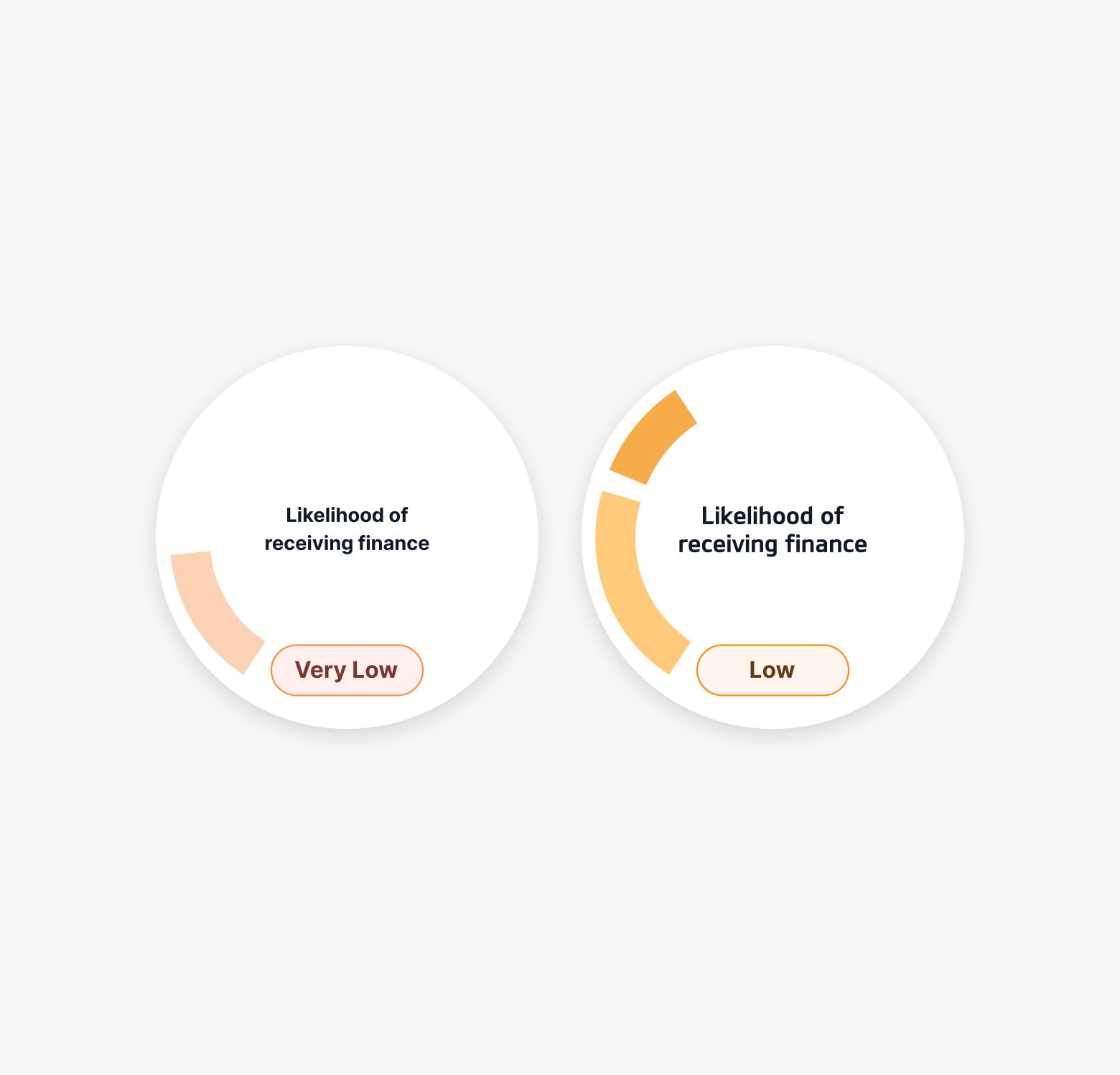
Subtle palette to ease concerns
Based on feedback we wanted to keep low scores but make them less alarming. I opted for a muted palette which balanced the low messaging.
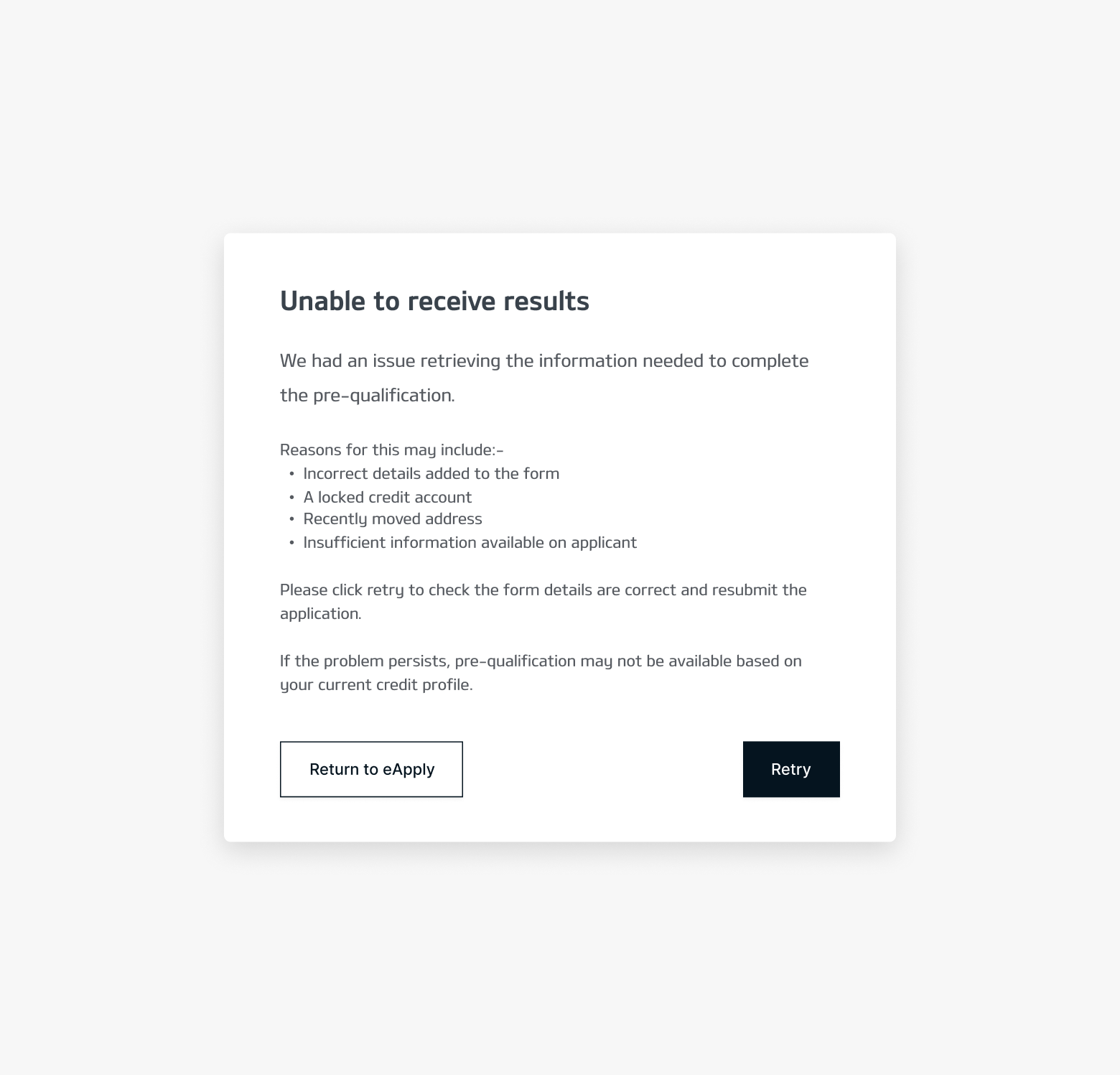
Adding friction to take notice
I added friction to the insufficient trace message to ensure it was read by users and added clarifying copy and more relevant CTAs.
Key information made prominent
Included the results messaging in a separate card with an information icon to make it stand out.
Building a lightweight initial design system
Post-MVP, inconsistent Figma work across Hyundai, Kia, and Genesis meant duplicated components and no shared tokens, which made scaling difficult. I tightened that into a lightweight initial layer: semantic tokens (colour, spacing, type), Figma variables, and auto-layout for reusable, responsive components built for what we shipped, not an exhaustive catalogue. Honest framing: a practical baseline for consistency and faster cross-brand iteration, with room to extend, not pretending to be a full design system.
Swipe or scroll
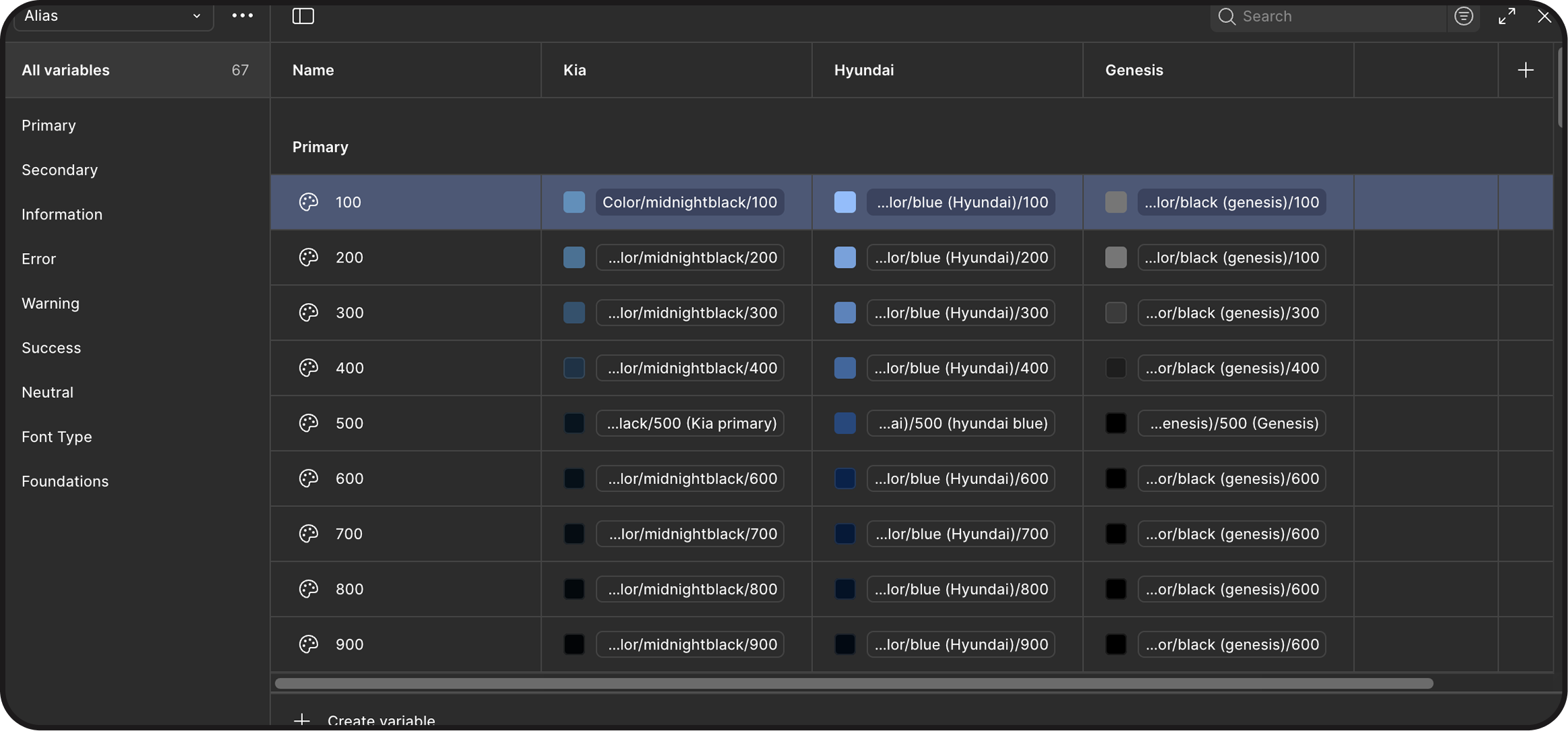
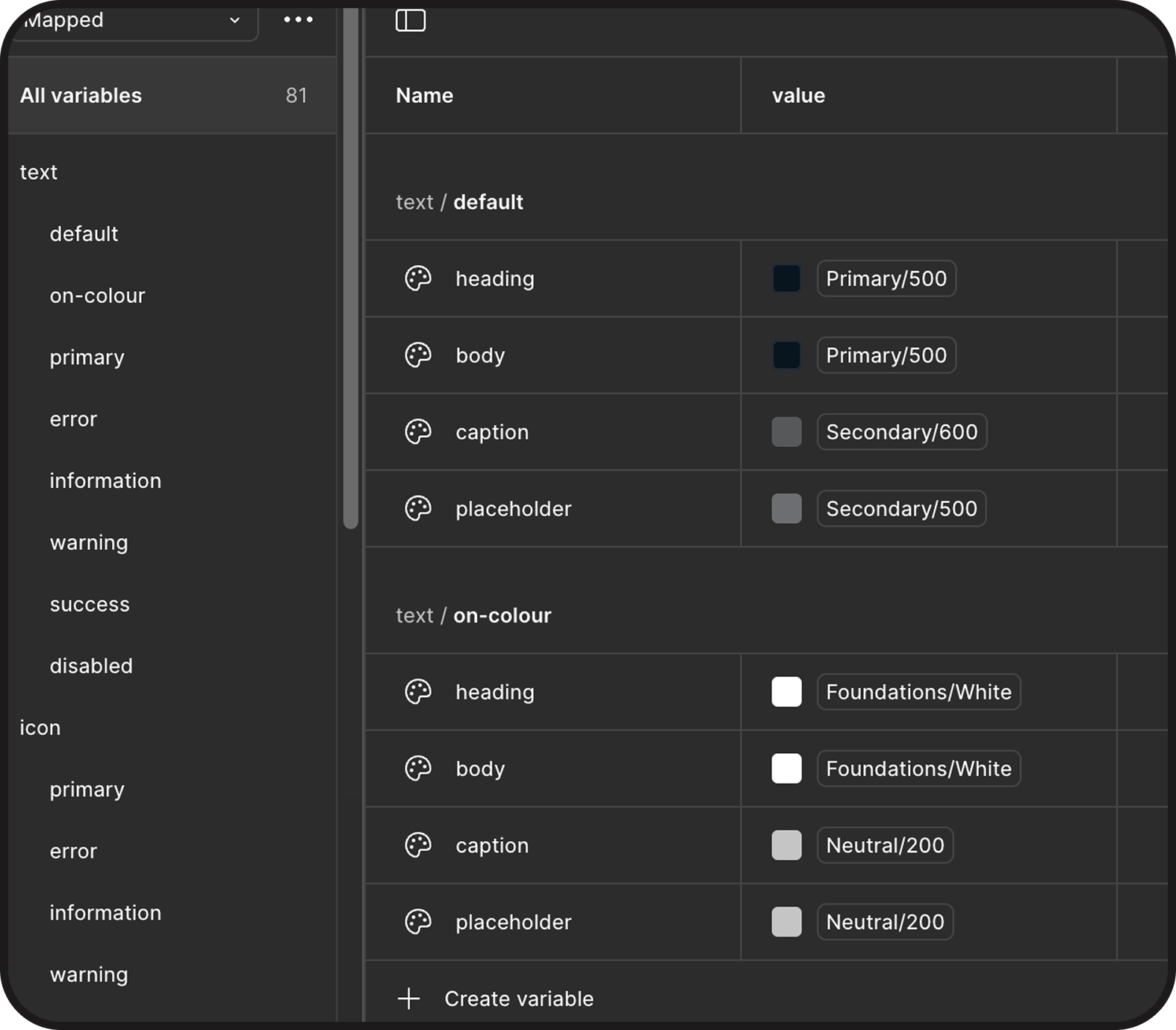
Semantic tokens
Brand modes for palette aliases, then semantic mappings so UI roles stay stable across Hyundai, Kia, and Genesis.
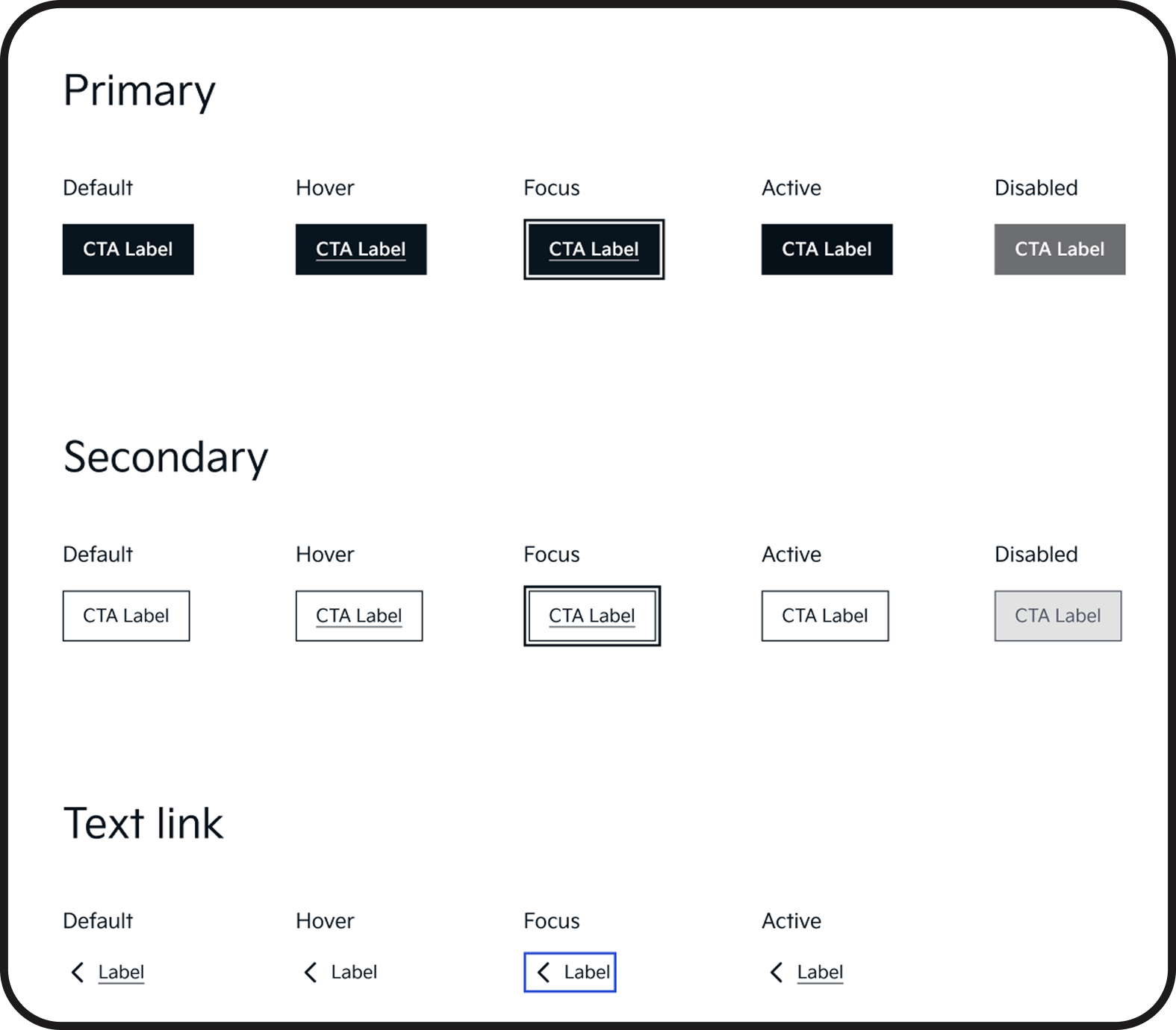
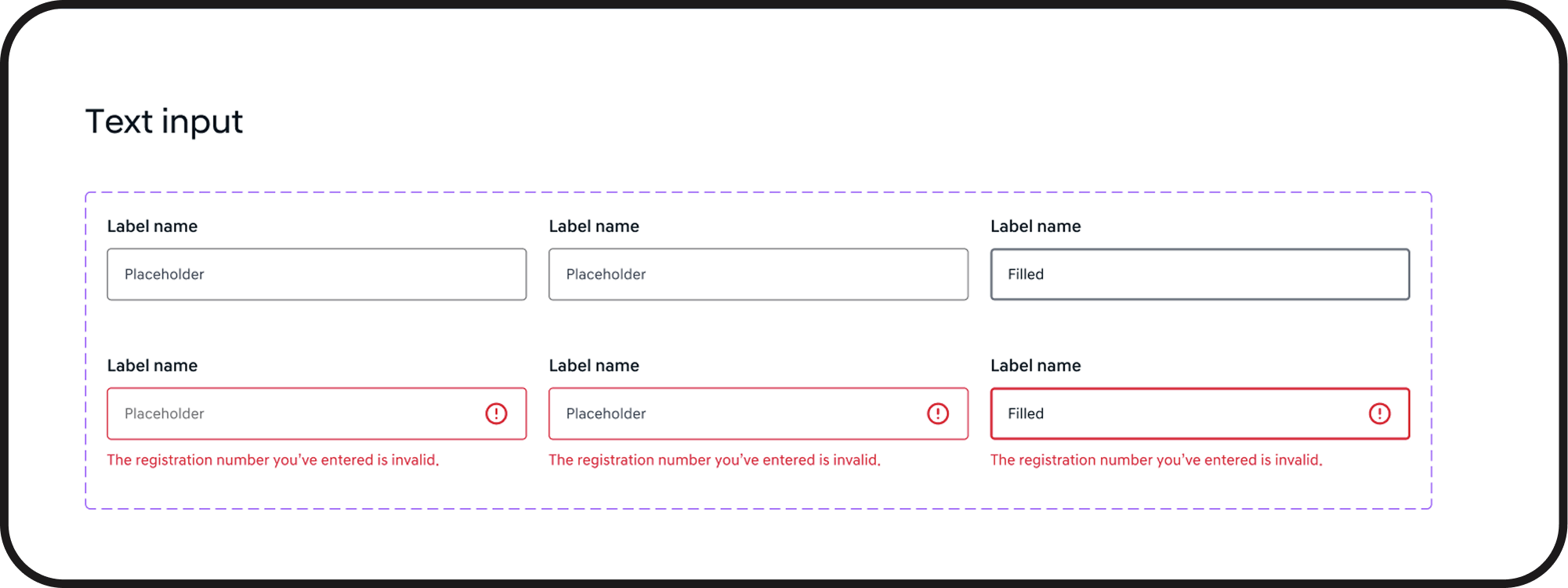
Shared components
Reusable buttons, links, and inputs with variables and auto-layout so flows stayed consistent without rebuilding every screen.
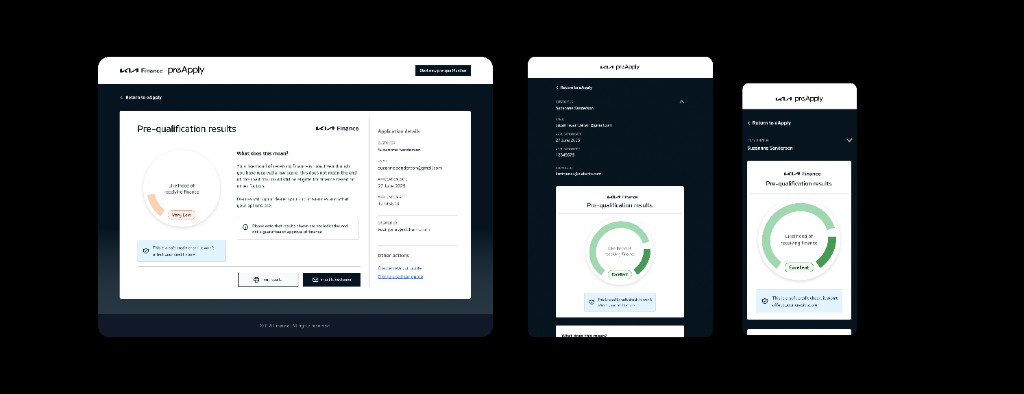
Responsive designs for mobile, tablet and web
A dealer-led soft search MVP, flows and patterns tuned for real showroom use.
Prototype of self-serve journey
Going live across three brands
The MVP has just launched for Genesis, Hyundai, and Kia with responsive web, tablet, and mobile layouts, balancing branding and functionality.
- Streamlined dealer workflows, reducing manual effort
- Refined results screens and error states based on pilot feedback
- Finance Compliance sign-off ensured all flows, copy, and data handling met regulatory requirements
- Ready for future expansion: proposals, customer self-serve, and 3rd-party integration
This case study focuses on the soft search MVP: one slice of broader HCUK work, including KPI and strategy workshops.
Reach out to learn more.